Why Gold Prices Rise During Ramadan in Dubai – The Full Story
Ramadan brings unique dynamics to Dubai's gold market. Discover why demand surges, how prices move, the best shopping strategy during the holy month, and what the post-Eid price pattern looks like.
Ramadan and Gold: A Deep Cultural Connection
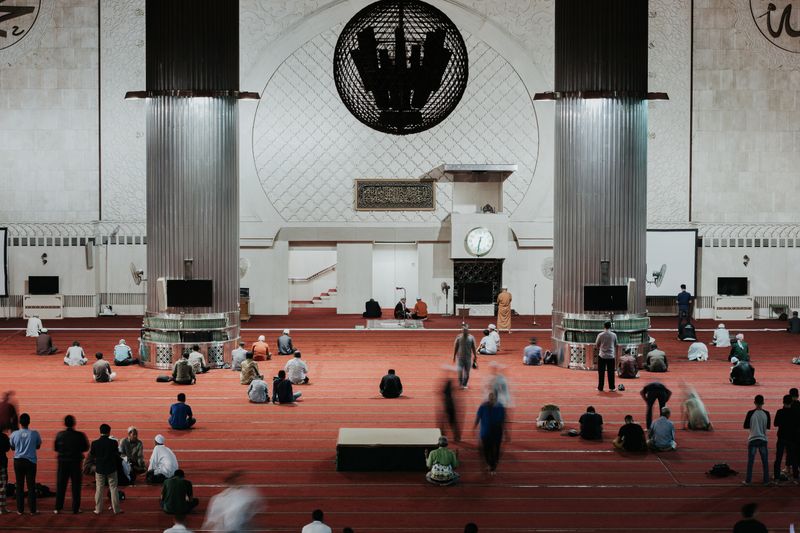
In Dubai and across the broader Muslim world, Ramadan is not just a month of spiritual reflection — it is one of the most significant periods for gold gifting, purchasing, and jewellery retail. The holy month's cultural significance, combined with end-of-year bonuses, Eid celebrations, and a tradition of presenting gold as gifts to family and loved ones, creates a consistent seasonal surge in gold demand every year.
Understanding how Ramadan affects Dubai's gold market can help both buyers and investors time their decisions strategically.
Why Demand Increases During Ramadan
- Eid al-Fitr gifting: Gold is the most prestigious gift for Eid — rings, earrings, and small gold pieces are given from parents to children, husbands to wives, and employers to employees in many communities.
- Wedding season proximity: Many Muslim families schedule weddings in the months following Ramadan. Bridal gold shopping typically happens during Ramadan when extended families are gathered and shopping is a communal activity in the evenings.
- Year-end bonuses: Many UAE employers pay bonuses ahead of Eid, putting extra disposable income directly into the gold market.
- Tourism surge: Gulf Cooperation Council (GCC) nationals travel to Dubai during Ramadan for extended shopping and leisure. Dubai's Gold Souk sees significant visitor spikes from Saudi Arabia, Kuwait, Bahrain, and Oman specifically during this period.
- Cultural gifting norms: The Sadaqah (charity) tradition during Ramadan also increases purchases of small gold items for gifting to less wealthy family members.
How Much Do Gold Prices Actually Rise During Ramadan?
The key distinction: the base gold price (the DGJG rate) does not rise because of Ramadan. Dubai's gold rate is set by international commodity markets and the AED/USD peg — local demand in one city, however large, does not move the global gold price.
What does happen during Ramadan:
- Making charges increase: With higher foot traffic and more demand for ready-made pieces, some Gold Souk retailers raise their making charges by AED 2–5 per gram, knowing buyers are less price-sensitive during festive shopping.
- Less room to negotiate: The busier the souk, the less leverage a buyer has. A dealer with 10 customers in the shop has no incentive to reduce making charges for one price-sensitive shopper.
- Global price effects: Ramadan sometimes coincides with global geopolitical events or economic uncertainty that independently drive the international gold spot price higher — but this is coincidence, not causation.
Ramadan Gold Shopping: Best and Worst Times
| Period | Price Environment | Crowd Level |
|---|---|---|
| First week of Ramadan | Normal making charges | Moderate |
| Mid-Ramadan | Slightly elevated | Busy |
| Last 10 days of Ramadan | Peak making charges | Very busy |
| Eid al-Fitr day | Most shops closed | Very low |
| Week after Eid | Making charges normalise | Lower |
Smart Shopping Strategy During Ramadan
- If you must buy during Ramadan, shop in the first week before crowds peak and making charges climb.
- Visit the souk in the morning (10 AM–noon) rather than evenings when post-iftar shopping crowds are densest.
- Be more assertive in negotiating making charges — even during busy periods, large purchases retain negotiating power.
- If your purchase is not Eid-specific, consider buying in the weeks after Eid when demand drops sharply and dealers are motivated to sell to normalise inventory.
Post-Eid: Often the Best Time to Buy
The week or two after Eid al-Fitr is historically one of the best windows for gold buyers in Dubai. Demand has been satisfied, tourist traffic from GCC countries drops, and dealers looking to clear Ramadan inventory offer their best making charge rates. If you have flexibility on timing, the post-Eid lull can yield AED 3–5 per gram savings on making charges compared to the Ramadan peak — a meaningful saving on large purchases.
Share this article:

